
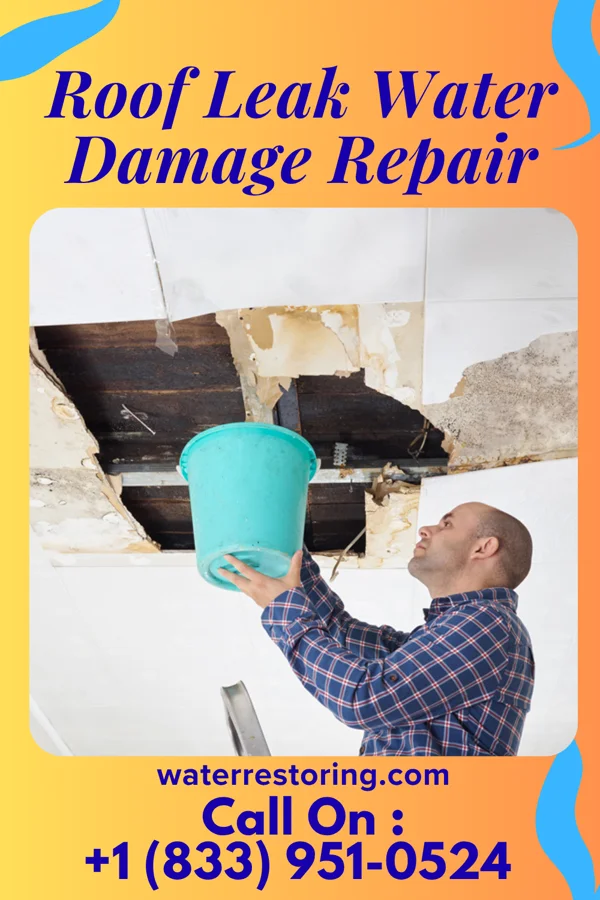
Why Roof Leaks Hit San Felipe Pueblo Hard
The pattern in San Felipe Pueblo is consistent. San Felipe Pueblo experiences a semi-arid climate with hot summers and mild winters, making it prone to sudden summer thunderstorms that can lead to heavy rainfall and flash flooding. The region's low humidity and frequent temperature fluctuations can cause roofing materials to expand and contract, increasing the risk of leaks and structural damage. drives most of the emergency restoration calls we get. A close second is The area is also susceptible to high winds, especially during spring and early summer, which can damage roofing systems and exacerbate water intrusion. Additionally, the occasional winter snowmelt can create saturated ground conditions that lead to water seeping into buildings..
Due to the combination of extreme heat, sudden storms, and high winds, San Felipe Pueblo residents often face challenges with roof leaks, water damage, and mold growth. The dry climate can also lead to rapid drying of water-damaged areas, but this can sometimes mask underlying structural issues.
Due to the combination of extreme heat, sudden storms, and high winds, San Felipe Pueblo residents often face challenges with roof leaks, water damage, and mold growth. The dry climate can also lead to rapid drying of water-damaged areas, but this can sometimes mask underlying structural issues. The dominant local driver is San Felipe Pueblo experiences a semi-arid climate with hot summers and mild winters, making it prone to sudden summer thunderstorms that can lead to heavy rainfall and flash flooding. The region's low humidity and frequent temperature fluctuations can cause roofing materials to expand and contract, increasing the risk of leaks and structural damage., with The area is also susceptible to high winds, especially during spring and early summer, which can damage roofing systems and exacerbate water intrusion. Additionally, the occasional winter snowmelt can create saturated ground conditions that lead to water seeping into buildings. showing up as the next most common cause. Damage builds in stages. Spread. Absorption. Microbial growth. Structural compromise. Every stage you pass through adds to the final bill.